What a boulangerie is, and why it is not an ordinary bakery
The difference between a boulangerie, a pâtisserie and a neighbourhood bakery, and what changes in the bread when a house makes its own dough.
In São Paulo the word boulangerie has come to mean an expensive bakery. In France it has a legal definition. Since 1998, a business may only call itself a boulangerie if it mixes, ferments and bakes the dough on its own premises. A shop that buys finished bread and merely reheats it cannot put the word on its sign. The rule exists to protect the customer, and it explains rather well what separates one thing from the other.
Boulangerie, pâtisserie, viennoiserie
These are three distinct trades, and the names are worth knowing.
Boulangerie is bread. Flour, water, salt and yeast, with time. The work lies in the fermentation and the handling of the dough, not in expensive ingredients.
Pâtisserie is confectionery. Tarts, creams, sweet pastry, finishing work. In France it is a separately regulated profession with its own training.
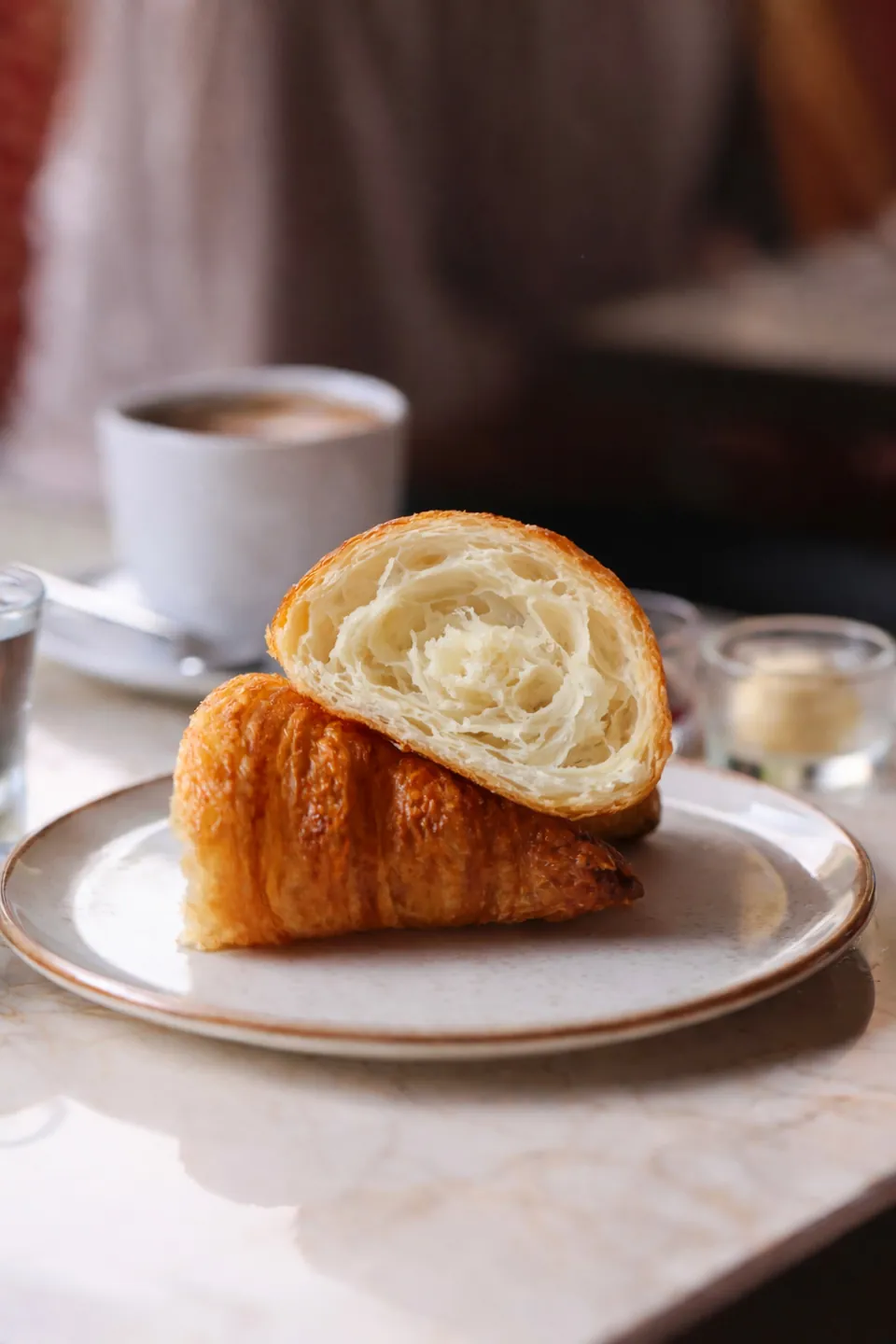
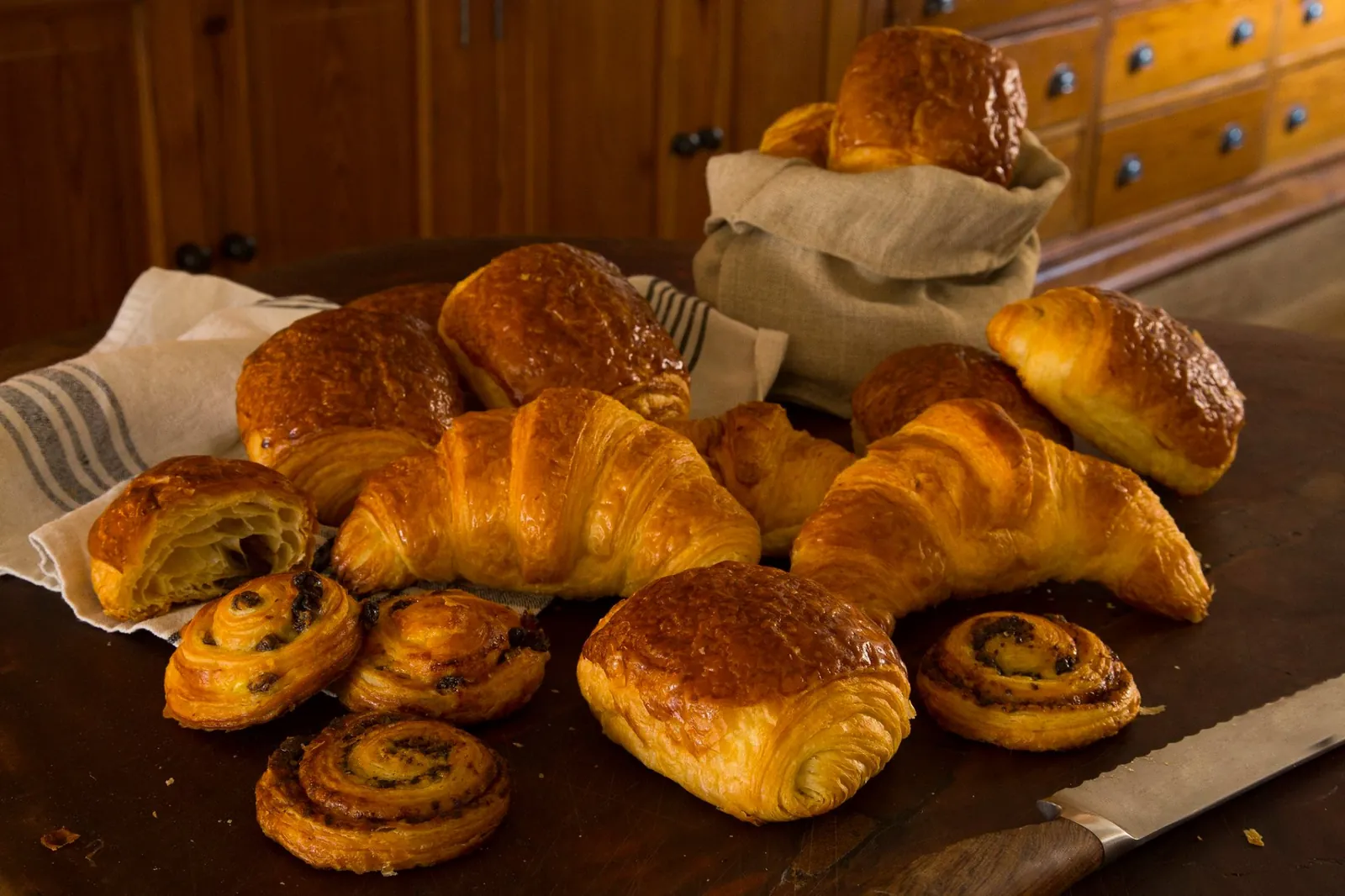
Viennoiserie sits between the two. Croissant, pain au chocolat, brioche. Baker’s dough enriched with butter, eggs and sugar. The name comes from Vienna, where the technique was developed before reaching Paris in the nineteenth century.
A complete boulangerie does all three. Ours does.
What changes in the bread
The practical difference is time. A corner bakery needs quick turnover and works with a high dose of commercial yeast, which makes the dough rise in an hour or two. The bread is ready, and it is dry the next day.
A boulangerie works the other way round. Less yeast, more time. The dough spends hours or days in slow fermentation, and in that period enzymes break down the starch and the proteins in the flour. This produces three effects anyone can taste.
The first is flavour. Long fermentation generates organic acids and aromatic compounds that simply do not exist in a two-hour dough. The second is texture. The gluten develops on its own, without heavy mixing, and the crumb turns elastic rather than spongy. The third is keeping quality. Slowly fermented bread stales gradually and does not mould quickly, because its natural acidity holds fungi back.
Our case
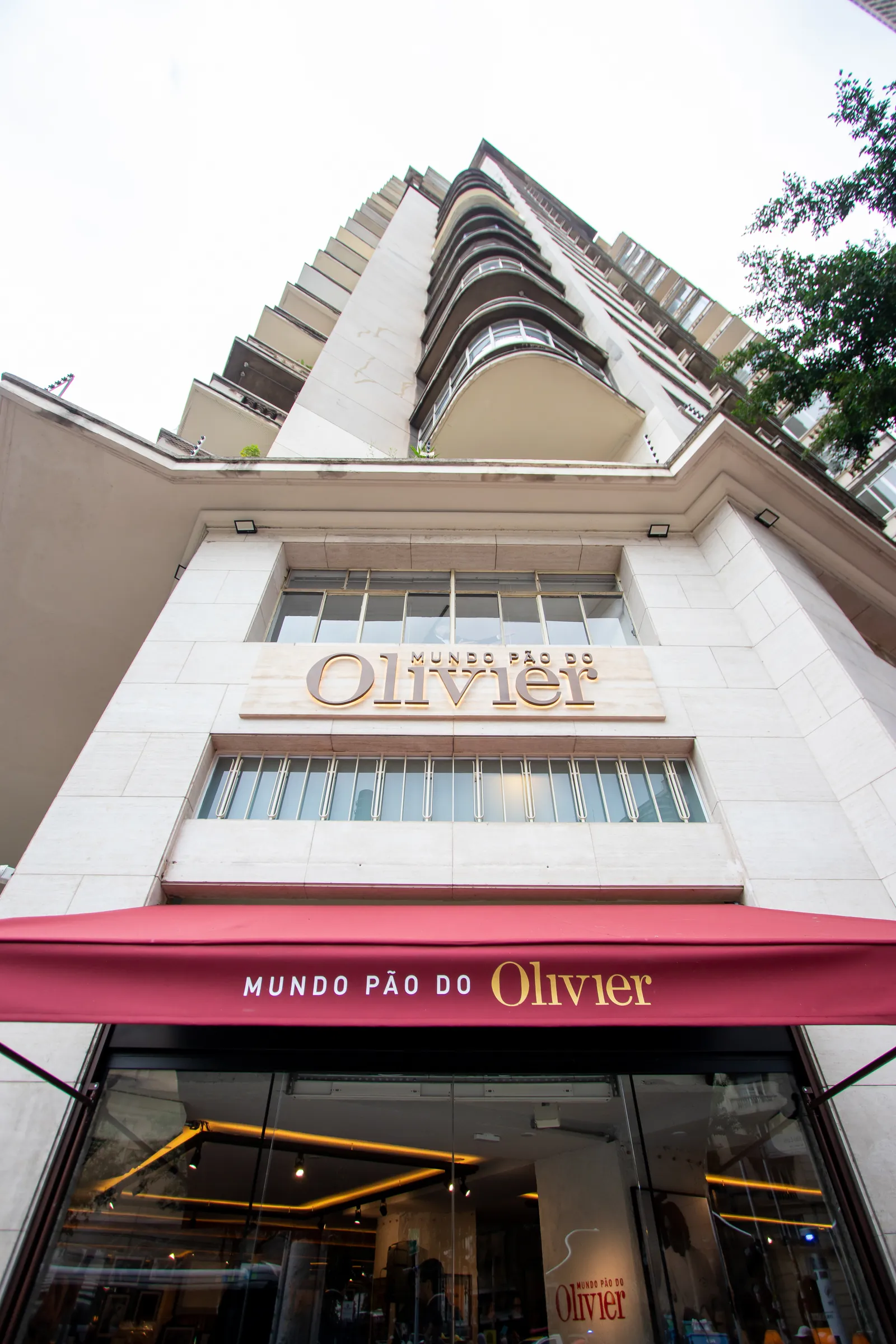
Mundo Pão do Olivier bakes everything at the Cambuci atelier in São Paulo and distributes to the locations through the day. We do not work with frozen dough or pre-mixes.
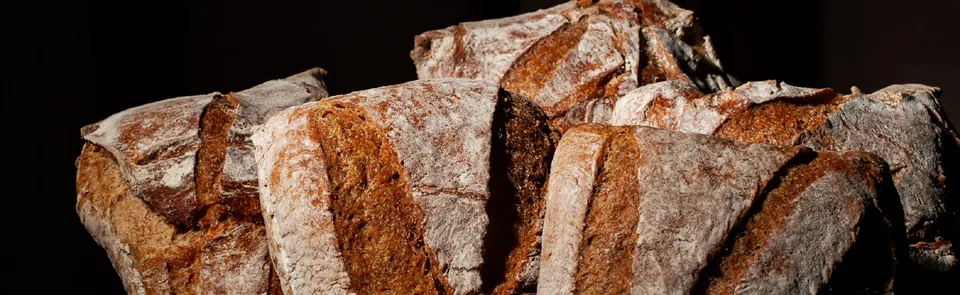
The house bread is called P72 for the seventy-two hours of fermentation it takes. That number names the product and explains the result: low acidity, a soft crumb and just the right crisp crust. It comes in five versions, plain, wholemeal, with black olives, with walnuts and with escarole, and it is the base of our sandwiches and tostadas.
Olivier Anquier is a third-generation baker. His mother, Myriam, runs a bakery in Australia, and a good part of the house recipes come from her. In 1993 he opened Pain de France in Higienópolis, the first boulangerie in Brazil, and the method has been the same ever since.
How to judge a boulangerie in five minutes
If you want to test a new place, look at three things.
Order a plain loaf, no filling and no topping. That is where a fault shows. Then look at the display: too much variety in a small shop usually means product bought in from elsewhere. Finally, ask where the dough is made. The answer comes quickly when it is made on site.